Topic: Despite his impeachment acquittal, advisers say Trump is still 'worried' about criminal prosecution
+Anonymous A — 5.5 years ago #57,218
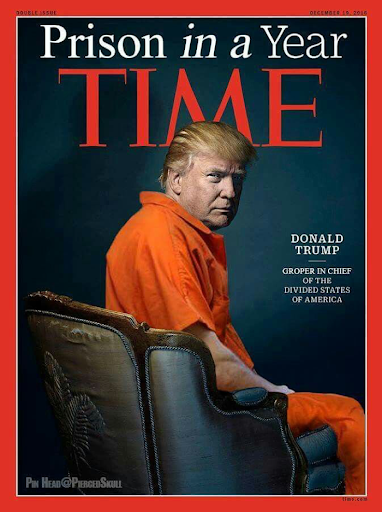 However, the acquittal does not mean that the former president is immune from the criminal justice system or future civil litigation.
"He's worried about it," an adviser close to Trump told Fox News.
"No president is above the law or immune from criminal prosecution, and that includes former president Trump," he added.
Senate Minority Leader Mitch McConnell, who also voted for acquittal, shared the same sentiment.
"Impeachment was never meant to be the final forum for American justice," said McConnell.
"We have a criminal justice in this country, we have civil litigation, and former Presidents are not immune from being held accountable by either one,' he added.
In Washington, DC, the US attorney said in January that federal prosecutors are open to investigating Trump's role in inciting the violent riots.
"We are looking at all actors here, and anyone that had a role," Michael Sherwin told reporters. "If the evidence fits the element of a crime, they're going to be charged."
Trump is also facing legal threats on other charges.
On Wednesday, Georgia prosecutors launched a criminal investigation into Trump's election pressure campaign to invalidate the state's election results.
New York prosecutors are also expanding a criminal probe into loans Trump took out on his flagship properties, reported the Wall Street Journal.
DC attorney general weighs legal viability of charging Trump under local statute for Capitol riot. Trump's alleged role in inciting the violence that left multiple people dead has been aired before Congress and in the courts. Impeachment managers have played video linking the former President's words to the rioters' violent actions. Prosecutors have told federal judges around the country that accused insurrectionists have repeatedly pointed to Trump as the one who was giving them direction.
Racine's lawyers are weighing those facts, but also carefully examining the legal challenges, and probabilities of a successful prosecution, if they move forward with charging the former President with a felony.
Start a new topic to continue this conversation.
Or browse the latest topics.